
ISO/TS 15066:2016 Robots and robotic devices — Collaborative robots
Overview
What is ISO/TS 15066:2016?
ISO/TS 15066:2016 is an international technical specification that defines safety requirements for collaborative robot operations, where humans and robots share the same workspace.
Why ISO/TS 15066 Is So Important Today
Human–Robot Interaction Is Increasing
Cobots Are Rapidly Expanding Across Industries
Safety Expectations Are Rising Globally
Trust Is Critical for Adoption
Benefits of ISO/TS 15066
- Improves Human Safety
- Enables Collaborative Robotics
- Reduces Legal and Liability Risk
- Supports Regulatory Approval
- Builds Customer and Market Trust
- Encourages Smarter Robot Design
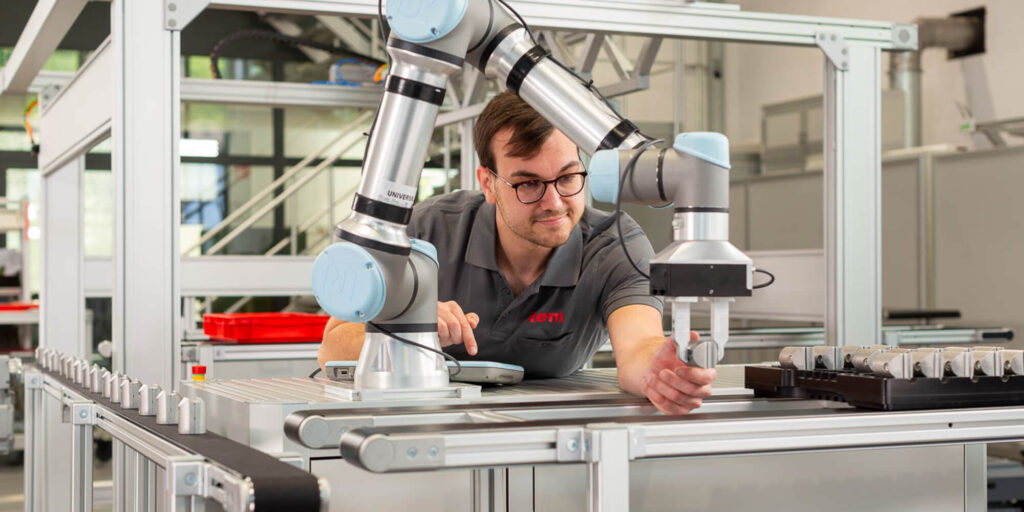
What Does ISO/TS 15066 Cover?
Safety-rated monitored stop
Robot stops when a human enters the workspace.
Hand guiding
Human directly guides the robot.
Speed and separation monitoring
Robot slows down as humans approach.
Power and force limiting (PFL)
Robot is allowed to contact humans safely.
FAQs
ISO/TS 15066 is an international technical specification that defines safety requirements for collaborative robot systems where humans and robots share the same workspace. It focuses on limiting force, pressure, and risk during human–robot interaction.
ISO/TS 15066 is not legally mandatory, but it is widely recognized and expected by regulators, safety auditors, and insurers. In many collaborative robot applications, following it is considered best practice and helps demonstrate compliance with safety laws.
It is relevant for:
Robot manufacturers
System integrators
Automation engineers
Factory operators using collaborative robots
Companies deploying robots in shared human environments
ISO 10218 sets the general safety requirements for industrial robots. ISO/TS 15066 complements it by providing detailed guidance for collaborative operation, especially force and pressure limits when contact with humans is possible.
It mainly applies to collaborative robots, but any robot system designed to work near humans can benefit from its guidance, including customized industrial robots operating in shared spaces.
Non-compliance increases the risk of injury, operational shutdowns, regulatory penalties, and legal liability. It may also prevent systems from passing safety assessments or being approved for deployment.